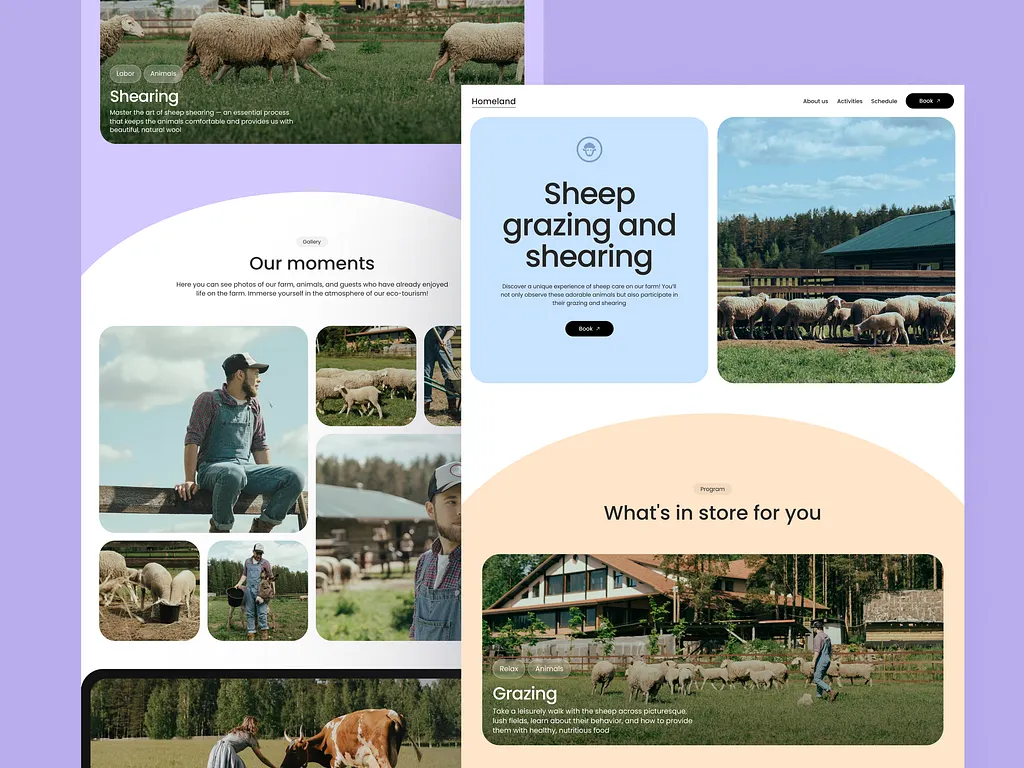
- Creative concepts unfolding with https://beluga1988.com, inspiring unique perspectives and artistic expression
- The Foundation of Creative Ideation: Brainstorming and Conceptualization
- Developing a Core Concept
- The Role of Visual Communication in Creative Expression
- Leveraging Color Psychology
- The Power of Storytelling in Capturing Attention
- Elements of a Compelling Narrative
- The Importance of Iteration and Feedback
- Monetizing Creativity: Turning Passion into Profit
- Exploring Future Trends in Creative Expression
Creative concepts unfolding with https://beluga1988.com, inspiring unique perspectives and artistic expression
The digital landscape is a constantly evolving space, demanding innovative approaches to stand out. In this environment, the power of creative concepts is paramount. Businesses and individuals alike are seeking ways to communicate their message effectively, forge meaningful connections with their audience, and ultimately, inspire action. Exploring these concepts with a platform like https://beluga1988.com can unlock new avenues for artistic expression and unique perspectives that resonate in today’s competitive world. The ability to cultivate originality and present ideas in a compelling manner is no longer a luxury, but a necessity for sustained success.
This search for authentic expression often involves breaking free from conventional norms and embracing experimentation. Whether it’s through visual arts, writing, music, or any other creative medium, the goal remains the same: to captivate, to provoke thought, and to leave a lasting impression. Platforms designed to nurture and showcase this creativity are invaluable, offering a space for individuals to develop their skills, share their work, and connect with a community of like-minded individuals. The intersection of technology and artistry is creating unprecedented opportunities for innovation and self-discovery.
The Foundation of Creative Ideation: Brainstorming and Conceptualization
At the heart of any creative endeavor lies the initial phase of ideation. This process, often referred to as brainstorming, is about generating a multitude of ideas without the constraints of immediate judgment. It’s a free-flowing exploration of possibilities, encouraging participants to build upon each other’s thoughts and challenge conventional wisdom. Effective brainstorming sessions often utilize techniques such as mind mapping, where a central theme is explored through branching ideas, or reverse brainstorming, where participants identify potential problems before seeking solutions. The goal is not necessarily to arrive at a perfect idea immediately but to create a fertile ground for innovation. It’s about quantity over quality, at least initially, recognizing that even seemingly outlandish ideas can spark breakthroughs.
Developing a Core Concept
Once a pool of ideas has been generated, the next step is to refine and develop a core concept. This involves evaluating the feasibility, relevance, and potential impact of each idea. Considerations might include the target audience, the overall message, and the available resources. A strong core concept should be both original and relatable, offering a fresh perspective while still resonating with the intended audience. It should also be adaptable, allowing for flexibility and refinement as the project evolves. Developing a concept statement – a concise summary of the idea's essence – can be helpful in maintaining focus and ensuring alignment throughout the creative process. This statement acts as a guiding principle, informing all subsequent decisions and ensuring that the final product remains true to its original intent.
| Brainstorming Technique | Description |
|---|---|
| Mind Mapping | Visually organizes ideas around a central theme using branching diagrams. |
| Reverse Brainstorming | Identifies potential problems before seeking solutions, fostering a proactive approach. |
| SCAMPER | A checklist prompting questions about Substitute, Combine, Adapt, Modify, Put to other uses, Eliminate, and Reverse. |
| Brainwriting | Participants write down ideas individually and then pass them around for others to build upon. |
Understanding the underlying principles of design thinking and user experience can also drastically improve the strength of your core concept. Considering how your intended audience will interface with the ideas you’re forming can shape a more relevant and memorable final outcome. Regular check-ins with potential users or stakeholders can avoid wasted effort and ensure the project stays on track.
The Role of Visual Communication in Creative Expression
Visual communication plays a crucial role in conveying creative concepts effectively. Images, colors, typography, and layout all contribute to the overall message and emotional impact. A well-executed visual strategy can capture attention, evoke emotions, and enhance understanding. The principles of visual hierarchy, balance, and contrast are essential for creating visually appealing and engaging designs. Effective use of white space can also improve readability and create a sense of sophistication. The selection of appropriate imagery is critical, ensuring that it aligns with the overall message and target audience. A cohesive visual style strengthens brand identity and fosters recognition. From the choice of font to the color palette, every visual element should contribute to a unified and impactful experience.
Leveraging Color Psychology
Color psychology explores the emotional and psychological effects of different colors. Understanding these effects can inform design choices and enhance the impact of visual communication. For example, blue is often associated with trust and stability, while red conveys energy and excitement. Green is linked to nature and growth, while yellow represents optimism and creativity. However, cultural context also plays a significant role in color perception. What is considered a positive color in one culture may have negative connotations in another. Therefore, it’s important to consider the target audience and cultural nuances when selecting colors for a creative project. A carefully chosen color palette can subtly influence perceptions and reinforce the desired message. Resources like color theory guides and online palettes offer valuable insights and inspiration.
- Visual Hierarchy: Guide the viewer's eye to the most important elements.
- Balance: Create a sense of stability and harmony in the composition.
- Contrast: Use differences in color, size, and shape to highlight key elements.
- Typography: Choose fonts that are legible, aesthetically pleasing, and appropriate for the message.
Furthermore, consistent branding across all visual materials provides a unified experience for the audience. A strong visual identity builds trust and reinforces brand recognition. Using consistent color schemes, fonts, and imagery helps create a cohesive and memorable impression.
The Power of Storytelling in Capturing Attention
Storytelling is a powerful tool for connecting with audiences on an emotional level. Humans are naturally drawn to narratives, and a well-crafted story can captivate attention, build empathy, and leave a lasting impression. Effective storytelling involves creating compelling characters, engaging plots, and relatable themes. The structure of a story – introduction, rising action, climax, falling action, and resolution – provides a framework for building suspense and emotional impact. Authenticity is key, as audiences can quickly detect insincerity. Sharing personal experiences, vulnerabilities, and lessons learned can forge deeper connections. The use of vivid language, sensory details, and emotional cues can bring a story to life and make it more memorable. A consistent narrative voice and tone reinforce brand identity and foster trust.
Elements of a Compelling Narrative
A compelling story isn’t just about the events that unfold; it’s about the underlying message and emotional resonance. Key elements include a relatable protagonist, a clear conflict, and a satisfying resolution. The conflict doesn’t necessarily have to be dramatic; it can be an internal struggle or a subtle challenge. The protagonist’s journey should be relatable, even if the specific circumstances are unique. The resolution doesn’t always have to be happy; it can be bittersweet or thought-provoking. The important thing is that it feels authentic and meaningful. Using techniques such as foreshadowing and symbolism can add layers of depth and intrigue to a story.
- Identify Your Audience: Understand their values, interests, and pain points.
- Define Your Message: What do you want your audience to take away from the story?
- Craft Compelling Characters: Create relatable protagonists with clear motivations.
- Develop a Strong Plot: Build suspense and emotional impact through a well-structured narrative.
- Choose the Right Medium: Select the format (written, video, audio) that best suits your story and audience.
Consider how platforms like https://beluga1988.com facilitate the sharing of these narratives. The ability to showcase creative stories in a visually engaging format is a powerful asset.
The Importance of Iteration and Feedback
The creative process is rarely linear; it’s often characterized by iteration and refinement. Initial ideas are rarely perfect, and feedback is essential for identifying areas for improvement. Seeking constructive criticism from trusted peers, mentors, or target audience members can provide valuable insights. Being open to feedback, even when it’s challenging, is crucial for growth and development. Iteration involves revisiting previous stages of the creative process, making adjustments based on feedback, and testing new approaches. This iterative cycle continues until the desired outcome is achieved. Embrace failure as a learning opportunity, recognizing that setbacks are a natural part of the creative journey.
Tools for gathering feedback range from formal surveys and focus groups to informal conversations and online polls. The key is to create a safe and supportive environment where people feel comfortable sharing their honest opinions. Pay attention not only to what people say but also to how they react. Body language and nonverbal cues can provide valuable insights.
Monetizing Creativity: Turning Passion into Profit
For many creatives, the ultimate goal is to monetize their passion and turn their artistic pursuits into a sustainable source of income. This can take many forms, from selling artwork or services to licensing intellectual property or building a digital brand. Identifying a niche market and understanding the needs of the target audience are crucial for success. Effective marketing and self-promotion are essential for reaching potential customers. Building a strong online presence through social media, a website, and email marketing can significantly expand reach and generate leads. Diversifying income streams can provide financial stability and reduce reliance on a single source of revenue. Exploring opportunities such as crowdfunding, Patreon, or affiliate marketing can supplement income and build a loyal fan base.
Platforms like https://beluga1988.com can serve as a valuable springboard for showcasing talents, connecting with potential clients, and building a professional portfolio. The ability to reach a wider audience and establish credibility is a significant advantage.
Exploring Future Trends in Creative Expression
The landscape of creative expression is perpetually evolving, driven by advancements in technology and shifts in cultural trends. Artificial intelligence (AI) is poised to play an increasingly significant role, offering new tools for generating art, music, and writing. Virtual and augmented reality (VR/AR) are creating immersive experiences that blur the lines between the physical and digital worlds. The rise of the creator economy is empowering individuals to monetize their passions and build independent businesses. Sustainable and ethical practices are gaining prominence, as consumers demand greater transparency and social responsibility. The metaverse presents new opportunities for artists and creators to connect with audiences in innovative and interactive ways. The future of creativity will likely be characterized by collaboration, experimentation, and a blurring of disciplinary boundaries.
Remaining adaptable and open to new technologies is crucial for creatives who want to thrive in this dynamic environment. Continuously learning and refining skills, staying informed about emerging trends, and embracing experimentation will equip individuals to navigate the challenges and opportunities that lie ahead. The ability to combine artistic vision with technical expertise will be a key differentiator.