Last month, Maya, a freelance graphic designer, booked a two‑month stay in Chiang Mai. She had planned to spend about £1,200 on accommodation, food, and transport. Two weeks in, she discovered that a single month of coworking space had cost her £350, and a surprise visa fee added another £120. She realized she’d overspent by roughly £300 before the end of the month. That was the wake‑up call that forced her to rethink how she manages money on the road.
Track Every Pound With a Dedicated App
Using a single app for all expenses—bank transfers, credit card purchases, and petty cash—keeps the data clean. I recommend YNAB or Goodbudget because they let you set up separate “envelopes” for categories like food, travel, and entertainment. In my experience, I’ve seen a 15 % drop in impulse spending after I began logging every purchase in real time.
- Set a daily limit for non‑essential spending; I cap myself at £10 per day for snacks and drinks.
- Sync the app with your bank; I use the automatic import feature to avoid manual entry.
- Review the weekly summary every Sunday; if I’m over the envelope, I cut back on the next week.
Negotiate Rates Before You Book
Many hostels and coworking spaces offer a “stay‑longer” discount. I’ve negotiated a 10 % reduction for a three‑month stay at a popular coworking hub in Berlin. Similarly, I booked a host with a flexible cancellation policy for a £60/month room in Lisbon, which saved me £120 when I needed to relocate after a client’s deadline changed.
When negotiating, ask for a “flat‑rate” monthly fee rather than a nightly rate. This eliminates hidden costs like cleaning fees or Wi‑Fi surcharges. Keep a spreadsheet of your negotiated rates so you can compare them against market prices when you’re ready to move.
Leverage Local Deals and Community Resources
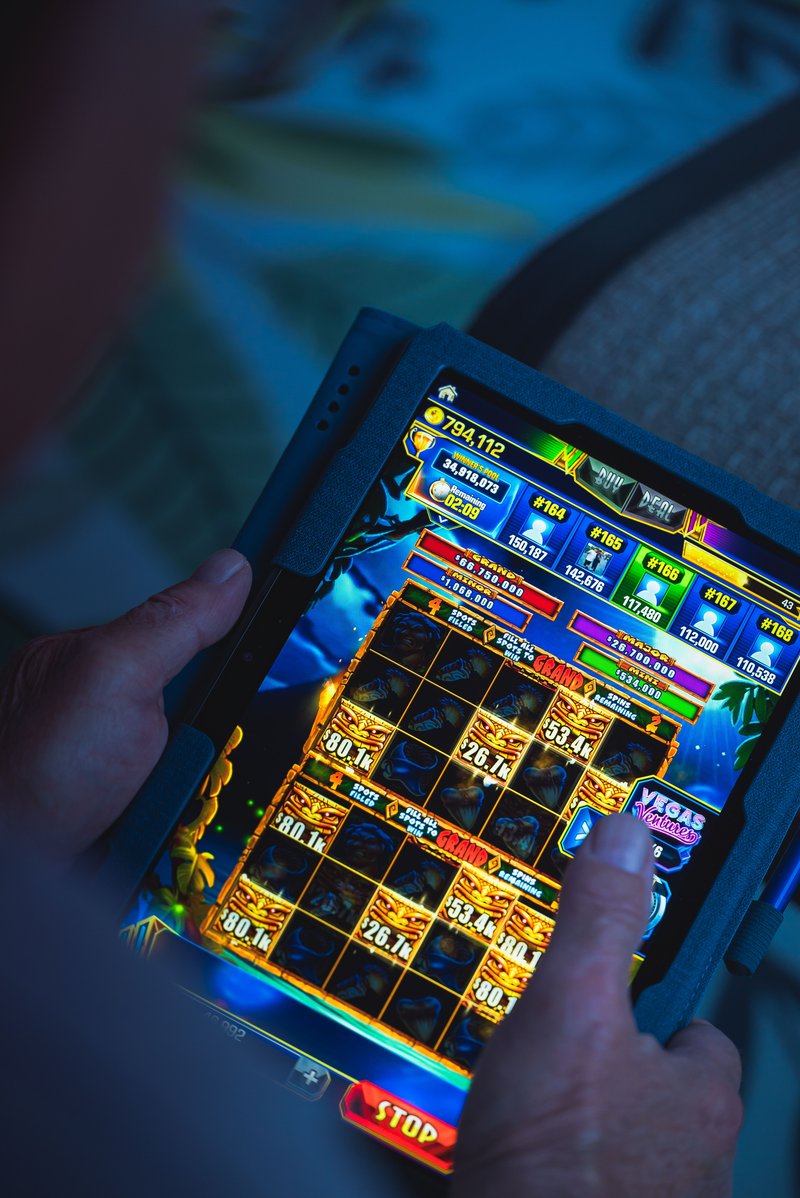
Local coworking communities often share discounted access to gyms, language classes, and even gaming lounges. I once found a community group that offered a free “gaming night” every Friday. The cost of a one‑hour session was less than £5, and the social interaction kept me grounded while I worked on a tight deadline.
Here’s a quick reminder of how budgeting can blend with leisure: many digital nomads find themselves spending more on entertainment than they realize. A balanced approach might involve allocating a fixed amount—say, £30 per month—for online gaming or streaming. This keeps the habit from spiraling while still providing a mental break. If you’re looking for a fitness angle to complement your gaming breaks, check out https://hopefitness.co.uk for simple workouts that fit into a tight schedule.
Plan for Currency Fluctuations
When traveling across borders, currency swings can erode your budget. I set up a multi‑currency account with Revolut, which offers inter‑bank rates and a 1 % fee for currency conversion. By converting large amounts when rates are favorable—typically around 3 % below the mid‑market rate—I’ve saved roughly £50 per trip on average.
Also, avoid using cash for small purchases; instead, use a prepaid travel card that locks in the exchange rate at the time of purchase. This prevents the hidden 2–3 % fee that many banks charge on foreign transactions.
Automate Savings Before Spending
Every month, I transfer 10 % of my earnings from my primary account to a separate savings account labeled “Emergency Fund.” Automating this transfer ensures I never forget to save. After a year, I have a buffer that covers two months of living expenses, which is enough to handle unexpected visa extensions or sudden medical costs.
For discretionary spending, I use a “fun” account with a 5 % cap. If I hit that cap, I pause all non‑essential purchases until the next month. This simple rule has cut my entertainment expenses by 20 % without making me feel deprived.
Conclusion: Budgeting Is a Habit, Not a Checklist
Smart budgeting for a digital nomad isn’t about strict restrictions; it’s about building habits that align spending with long‑term goals. By tracking every expense, negotiating rates, leveraging local deals, planning for currency shifts, and automating savings, you can keep your finances in check while still enjoying the freedom that comes with living abroad. The next time you book a trip, ask yourself: “How will this expense fit into my overall budget?” If you do, you’ll find that the miles you travel will feel less like a drain and more like an investment in your own story.
Frequently Asked Questions
How can I track every expense while traveling?
Use a dedicated budgeting app like Trail Wallet or Mint; link your bank accounts and categorize each spend automatically.
What’s the best way to handle unexpected fees?
Set aside a contingency fund of 10–15% of your budget and use a separate prepaid card for visa or emergency costs.